Classic History Font: Vintage Charm for Modern Designs
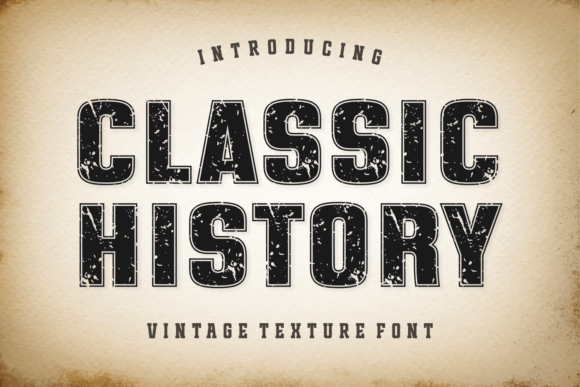
Imagine a typeface that doesn't just spell out words, but tells a story. That's the promise of Classic History, a distinctively crafted display font that acts like a time machine for your designs, instantly transporting your audience to an era filled with character and nostalgia. It’s more than just a set of letters; it's a design asset built to infuse your work with a unique, textured personality.
This premium font is a masterclass in versatility. Its beautifully distressed style and retro serif foundation make it an ideal choice for projects that need to stand out with a sense of heritage and authenticity. Whether you're crafting a compelling brand identity, designing an eye-catching poster, or developing merchandise that tells a story, this typeface provides a solid, charismatic starting point.
Where Classic History Truly Shines
Understanding where a font excels helps you choose the right tool for the job. Classic History finds its sweet spot in a variety of creative applications, adding a layer of visual interest that simpler fonts can't match.
- Logo Design & Branding: It’s perfect for creating logotypes for brands in craft brewing, artisanal goods, vintage clothing, or boutique cafes. The textured, serif style immediately communicates quality, tradition, and a hands-on approach.
- Editorial & Packaging Design: Use it for chapter headings in a book, mastheads for magazines, or labels on specialty products. It gives packaging a premium, crafted feel that can elevate a product on the shelf.
- Poster & Social Media Graphics: For event posters, sale announcements, or social media visuals, this font grabs attention. Its bold character ensures your message is seen, while its style sets a specific, engaging mood.
- Merchandise & Apparel: This is where the font truly comes alive. It’s exceptionally well-suited for T-shirt designs, clothing labels, and accessories, injecting a retro or military-inspired flair that resonates with current trends.
Tips for Choosing and Pairing This Typeface
Integrating a strong display font like this into your workflow requires a bit of thought to ensure it enhances, rather than overwhelms, your design. Here are some practical tips.
First, always consider readability. Because it's a textured display font, it's best used for headlines, logos, and short bursts of text. For body copy, pair it with a clean, simple sans-serif font or a highly legible serif font to maintain a clear visual hierarchy. This font pairing strategy ensures your design is both beautiful and functional.
Next, match the mood of your project. The distressed, vintage aesthetic of Classic History is perfect for themes of history, adventure, craftsmanship, or rebellion. It might not be the best fit for ultra-modern, minimalist, or corporate tech projects, where a sleek sans-serif would be more appropriate.
Finally, review the full character set. Before finalizing your choice, check that the font includes all the glyphs, numbers, and special characters you need for your specific project. Also, confirm the license aligns with your intended use, whether for personal projects or commercial design assets.
In the crowded landscape of modern typography, selecting the right font is a foundational design decision. A well-chosen typeface like Classic History does more than fill space; it builds recognition, ensures visual consistency, and communicates your project's essence at a glance. It’s a creative tool that offers both style and substance, allowing you to craft professional, polished designs with a distinct vintage soul. For designers looking to add depth and narrative to their work, it represents a valuable and versatile addition to any font library.